


LIFESTYLE & MORE

TRENDING

SIGN UP and Start Receiving
Our Monthly Newsletter,
The Chronicles

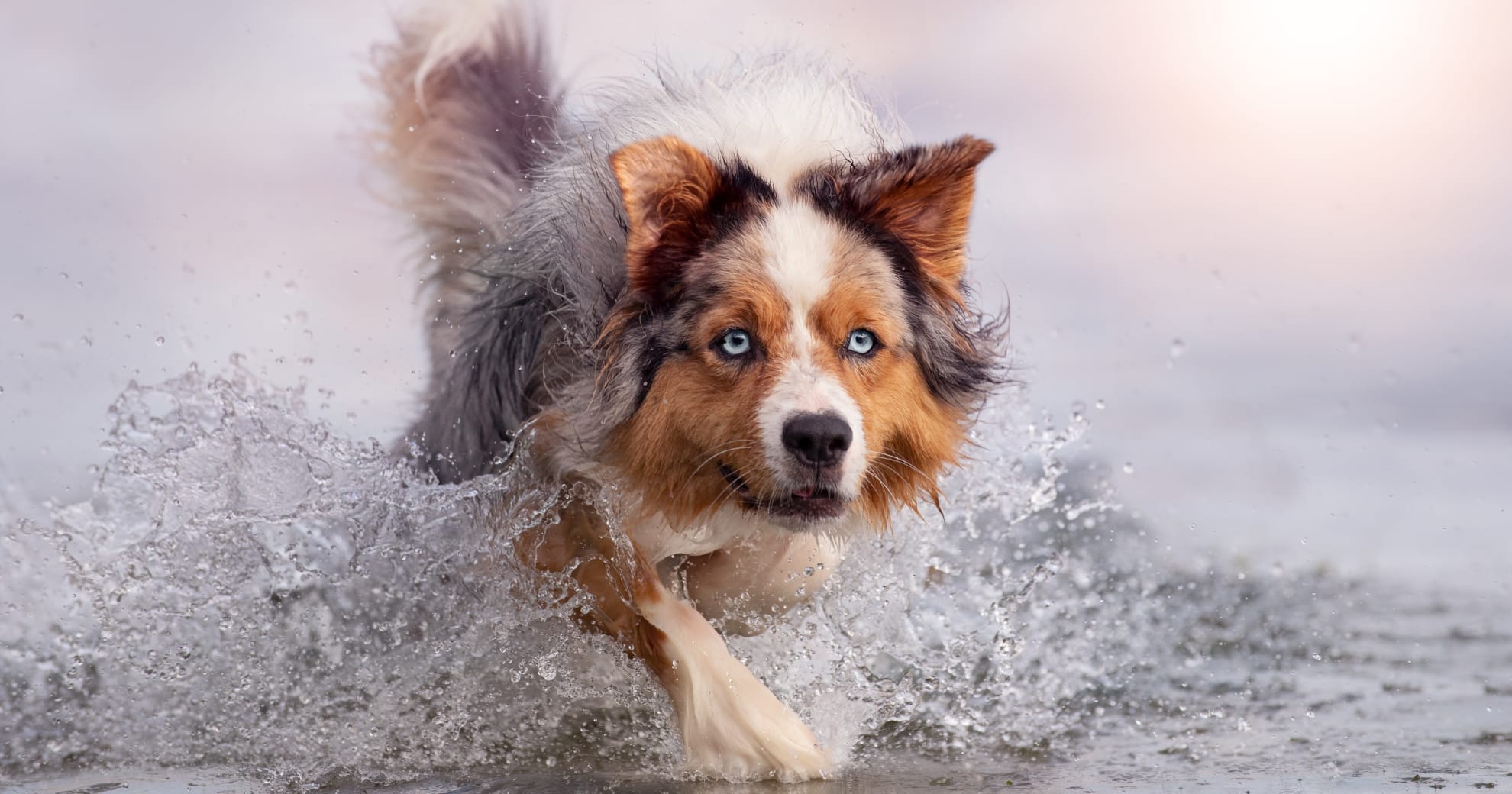
Unable to speak, dogs communicate through barks, tail wags, and body language. To build a strong bond with our canine companions, it’s essential to understand these nonverbal signals and recognise their needs and emotions.
What your dog’s body language is really saying:
Understanding the Signs of a Relaxed and Happy Dog
“Happy dog, happy life” is a charming motto—but how do you know if your dog is truly happy?
Relaxed and content dogs use plenty of subtle body language to express themselves. Their ears might be forward and at ease, or gently pulled back—but the key is that they look relaxed. Even a submissive dog may fold its ears back, and that’s still a sign of comfort rather than stress.
One unmistakable indicator of canine joy? The circular tail wag. “When your dog wags their tail in a circle, that’s a clear signal they’re excited and happy.
Other common signs of a calm, content pup include:
It’s important to recognise what a relaxed dog looks like as it helps you understand whether your dog feels safe in their environment. By tuning in to these signals, you can respect their boundaries and know when they might need extra reassurance or guidance.
Give Me Space: Understanding Signs of Discomfort in Dogs
Not all body language signals from dogs mean they’re happy or relaxed. Sometimes, their posture and movements reveal discomfort, fear, or defensiveness—especially when they’re overstimulated, in a new environment, or around unfamiliar people.
One of the clearest cues is the tail. A frightened dog might tuck its tail tightly between its legs, while a nervous or alert dog could hold its tail high and wag it quickly. This rapid wagging, especially when paired with a stiff body, is not the same as a relaxed “happy” wag.
Another common sign of unease is turning away from the perceived threat. A dog may turn its back or entire body to avoid confrontation—a defensive and calming signal. Similarly, a full-body shake, like after a bath, can be a sign your dog is trying to shake off tension or stress.
Other Signs of Stress or Alertness Include:
Recognising these signals is essential to helping your dog feel secure—whether you’re at home or encountering other dogs in public.
It’s also important to consider breed-specific traits. Some features may seem like warning signs but are simply part of the dog’s natural appearance. For example:
By learning to read both general signals and your dog’s unique quirks, you’ll better understand their emotions and create a more supportive, stress-free environment.
Spotting Health Issues Through Body Language
Reading your dog’s body language doesn’t just strengthen your bond—it can also help you catch early signs of illness or discomfort.
Dogs who are feeling unwell often sleep more than usual, become irritable, or lose interest in the things that usually excite them.
Some common red flags that may indicate pain or distress include:
Lip-smacking can also be a self-soothing behaviour in response to stress—or simply a sign your dog expects food. Context matters.
If a dog who’s usually active and cheerful suddenly becomes withdrawn, lethargic, or stops eating, it’s time to call the vet.
Paying attention to changes in your dog’s behaviour and body language is a vital part of responsible pet care. It allows you to advocate for their health, ensure their comfort, and keep both your pet and those around them safe and happy.