



![]()
How To Tackle Pet Transport During Holidays
Here are a few tips and tricks that will make it easier for your pet to come along for the ride when it’s time for a holiday. […]

![]()
Checklist: Moving House With A Dog
Download our Travel Checklist for dogs […]

![]()
Tips For Safe, Stress-Free Pet Travel
Implement these travel tips to ensure your pets remain healthy and happy, wherever you travel these holidays. […]

![]()
Checklist: Moving House With A Cat
Download our Travel Checklist for cats. […]
![]()
Accessories & Equipment For Safe Car Travel
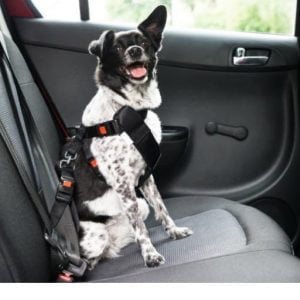
With pet-friendly places and spaces popping up everywhere, owners have more opportunities to bring pets along for the ride, whether going for lunch or escaping for the weekend. […]

![]()
Moving House With A Cat
Moving house can be very stressful as cats are territorial and bond with their environment. For the best outcome, be sure to plan ahead. […]

![]()
Moving House With A Dog
Moving is stressful for humans, but it’s even harder on pets. They don’t understand disruptions in their environment and routines and this can lead to stress, anxiety, illness and other behavioural problems. […]

![]()
What Is A Boarding Kennel?
Boarding kennels are businesses that specialise in pet care when owners are away or temporarily unable to care for their pets. Pet services offered by some boarding kennels include: boarding, grooming, training classes & pet supply sales. […]

![]()
What Are Pet Sitters And How Can They Help?
We can’t take our pets everywhere and leaving them alone or at an unfamiliar boarding kennel is often unimaginable. Pet sitters are people who come to your home and take care of your pet while you’re away. […]

![]()
Pet And Car Travel: Health & Safety
With a little planning, travelling can become less stressful for you and your pet. The first step is to make sure everyone is SAFE and as comfortable as possible. […]

TRENDING
SIGN UP and Start Receiving
Our Monthly Newsletter,
The Chronicles
How to Tackle Pet Transport During Holidays
Dogs have become more than just pets, they’ve become family members that play a big role in people’s lives. Their companionship is enjoyed beyond the confines of their owner’s home and most dogs love sharing in any action, even if you’re just running errands.
Unfortunately we can’t take them everywhere and even when we can, travelling with pets can be challenging. But, if you’re up for it, there are a few tips and tricks that will make it easier for Buddy or Bella to come along for the ride when it’s time for a holiday.
Just remember safety, comfort and convenience should all be considered when planning a trip that includes a pet. The wellbeing of both pet and owner should not be compromised.
Related Articles


TOOLKITS & GUIDES
TRENDING
SIGN UP and Start Receiving
Our Monthly Newsletter,
The Chronicles
TRENDING
SIGN UP and Start Receiving
Our Monthly Newsletter,
The Chronicles
TIPS FOR SAFE, STRESS-FREE PET TRAVEL
Implement these travel tips to ensure your pets remain healthy and happy, wherever you travel these holidays.
- Travel Planning
If you are visiting friends or family these holidays, make sure your hosts are happy to welcome your pets into their homes. Ask about any special requests or rules regarding pets in their home to ensure your visit is stress-free and enjoyable for everyone.If you are staying in a hotel, ensure that it is pet-friendly and that you have read their pet policy carefully to avoid any surprises once you arrive. If your pets are staying in a kennel or if you have hired a pet sitter, ensure that you have received references vouching for their services.
Provide an up-to-date emergency contact number list (including your veterinarian’s contact details), as well as a list of instructions detailing for example, feeding times and medication details. If you are hosting friends and family, consider providing a quiet place where your pets can take a break from the traffic and excitement that can become stressful.
- Pet Vaccinations, Tagging and Chipping
Make sure your pets’ vaccinations are up to date . - Packing the Doggy Bag
While packing your bags, remember to pack the basics for your pets too, including food, medicine, a leash and a tagged collar, dog baggies and whatever else your beloved pooches will need to feel safe and comfortable away from home. Don’t forget to pack their vaccination booklets or certificates! - Driving with Daisy
When travelling in the car, keep your pets safe and secure in a well-ventilated crate or pet carrier that is large enough for them to stand, lie down and turn around in. Comfortable bedding is always welcome.Stop every so often so that your pets can walk around and stretch their legs, relieve themselves and stay hydrated – this will avoid unnecessary accidents in the car. A mini ‘pet pack’ for the car that includes a water bowl, food, toys, paper towels and bags will come in handy. NEVER leave your pets unattended in an unventilated, parked vehicle.
- Beware of Tick Infested Areas
In Australia, there are about 70 different sorts of ticks especially prevalent along the Eastern coast. Most tick bites are caused by the paralysis tick Ixodes holocyclus (also referred to as the grass tick, seed tick or bush tick), and can be found as far as North Queensland to Eastern Victoria! Other common types of ticks are bush ticks or brown dog ticks. The presence of ticks increases during ‘tick season’ – October to March, which means that the beginning of spring is the ideal time to remind yourself to protect your pets, especially when travelling.
Tick bite symptoms to watch out for in dogs and cats include uncoordination, weakness, collapse, vomiting or retching, change of bark or meow and difficulty breathing. Remember, ticks can also attach to items you bring home with you, so there is also a potential risk to pets that stayed home, if you have been in an infected area.


TOOLKITS & GUIDES
TRENDING
SIGN UP and Start Receiving
Our Monthly Newsletter,
The Chronicles
TRENDING
SIGN UP and Start Receiving
Our Monthly Newsletter,
The Chronicles
Accessories & Equipment for Safe Car Travel
We have come a long way from only relying on kennels and catteries when it’s time for a season or country getaway.
With pet-friendly places and spaces popping up everywhere, owners have more opportunities to bring pets along for the ride, whether going for lunch or escaping for the weekend.
As a responsible pet owner, you should invest in travel gear for safe and comfortable transportation of your pets, whether for short or long drives, visits to the veterinary or travelling to a vacation spot.
Related Articles


TRAVEL & RELOCATION
TRENDING
SIGN UP and Start Receiving
Our Monthly Newsletter,
The Chronicles
Moving House With A Cat
Moving house can be very stressful as cats are territorial and bond with their environment.
For the best outcome, be sure to plan ahead.
MOVING DAY
- Before the moving company arrives, choose a room where your cat can stay with items they’ll see first in your new home.
- Close all the windows and doors after placing the following in the room: your cat’s bed, food and water bowls, litter tray and the pet carrier they’ll be travelling in.
- Make sure everyone involved / with access to the house knows about your cat. Write and stick a sign, “Keep Door Closed”, on the door to be safe.
- First remove all the items from the other rooms before tackling the ‘cat room’. Place your cat in the cat carrier before allowing others to enter.
- Your cat should drive with you, not in the van! Secure the carrier in the back seat (not the boot).
- During long trips, stop so your cat has the opportunity to drink water and use the litter box.
- Ventilation is important, especially on hot days. Never leave your cat alone in a parked vehicle.
- At your new home (if you arrive the same day), first unload and install the furniture from the ‘cat room’.
- In the new ‘cat room’, plug in a synthetic feline facial pheromone diffuser. If this can be done a few hours before your cat arrives, even better!
- Before showing your cat the room, make sure everything that was in the previous room is there. Close the door. If someone could stay with them for a bit that would be great!
- After having some time to explore, offer your cat some food.
- Once everyone has left and things settle down, allow your cat to explore the rest of the house, but make sure there are no exit points. If your cat seems anxious, take it easy. Try showing only one room at a time.
- Stay calm and show your cat it’s safe.
- Keep supervising your cat to avoid them getting stuck in narrow, unfamiliar gaps while seeking refuge.
- Time in a cattery, one day before and one day after the move, could help reduce anxiety.
HOW TO HELP YOUR CAT SETTLE IN
- For the first two weeks, keep your cat indoors.
- Frequently feed your cat small portions.
- Stick to your old routines for the sake of familiarity.
- Don’t stop using the synthetic feline facial pheromone diffuser in the ‘cat room’.
- Indoor cats may take longer to adapt. Familiar furniture will help, but just be patient.
BEFORE LETTING YOUR CAT OUTSIDE
- Your cats need to get used to their new space for a couple of weeks, so keep them inside.
- It should be easy to identify your cat (via info on their collar and a microchip).
- Update the address info on the collar and the microchip.
- Check that your cat’s shots and vaccinations are up to date.
- Once you’re sure your cat has adjusted, a cat flap can be useful (an electronic or magnetic mechanism that works with the collar will help keep other cats out).
- Your cat needs to secure a new territory to help keep other cats away.
- Gradual exposure to the outdoors, under supervision, can help.
- If your cat feels comfortable in a harness, attach a lead and walk around the garden.
- Don’t force your cat to do things, for example, carry them outside. Let them choose if they want to investigate.
- Once outside, make sure your cat can easily get inside again.
- Outdoor cats tend to adapt quicker; timid cats may take longer.
HOW TO STOP YOUR CAT FROM SEEKING THEIR OLD HOME
If your old house is near your new house, your cat might find their way back.
Tell the new occupants to contact you if this happens (or if they see your cat around). They should not be fed or shown affection. The best you can do, is follow the advice above, especially in terms of sticking to the indoor periods. Also try to surround your cat with natural, familiar scents. Some herbs can also have calming effects. Settling down may take months, but don’t lose hope.
LIFESTYLE
Outdoor cats will probably get frustrated while adjusting and indoor cats will need more stimulation, so try to enhance their environment:
- Hide dry food and treats around the house
- Make sure there are enough high vantage points
- Give them a sizeable scratching post or two
- Offer regular predatory play sessions
- Throw boxes and paper bags into the mix
Each cat’s adjusting period will be different. Some will be fine the first time they venture outside, but this is quite rare.
WHAT IF YOU MOVE TO A SMALLER PLACE?
To reduce tension, especially in multi-cat households, make sure there are enough:
- Beds
- Litter trays
- Scratching posts
- Food and water bowls
- High places to rest (e.g. wardrobes, cupboards and shelves)
- Private hiding places (e.g. under beds or at the bottom of a wardrobe)
Related Articles


TRENDING
SIGN UP and Start Receiving
Our Monthly Newsletter,
The Chronicles
Moving House With A Dog
Moving is stressful for humans, but it’s even harder on pets. They don’t understand disruptions in their environment and routines and this can lead to stress, anxiety, illness and other behavioural problems.
Pets can even go missing when they try to search for their old territory. So, to minimise the trauma, give your pets a lot of love and attention and follow the advice below.
BEFORE YOU MOVE
- The week before you move: don’t give your pets less attention and don’t stray from their routines (feeding, walking, grooming, etc).
- A couple of weeks before the move: visit your veterinarian to get your pet’s history, vaccination certificates and other relevant documents. Make sure your pet has had all the necessary core vaccines required before arriving at your new location. A mild sedative could help older or ill dogs, so discuss this with your veterinarian. Relaxing herbal scents or medications can also help.
- While you’re packing: keep your dog in a secure, quiet room. You don’t want your pet to get injured if he gets anxious and tries to escape (while people are moving in and out). Make sure there’s enough familiar toys and unwashed blankets in the room to provide comfort. Also leave the travel crate or carrier in the room with the door open (make sure it won’t close accidentally). You want your pet to get used to the crate.
- When moving day arrives: you can decide whether to leave your dog with friends, family or at a boarding kennel if you think it might reduce stress.
- Don’t pack: your dog’s bedding, toys and other items until the last minute. They need the familiarity. Only wash their bedding a couple of weeks after you’ve settled into your new place. Familiar smells in the new home can help a lot.
- Only moving a couple of blocks away? Take your dog to the new location as often as possible. Stay calm and relaxed to show your dog it’s OK. To avoid runaway situations, safely but securely confine your dog to the new house so he doesn’t go looking for his old home. Taking your dog to a boarding kennel for a week before introducing him to the new home could help avoid a search for his old home.
NOTE: Unlike boarding kennels, breeding kennels produce puppies while training kennels take in dogs for hunting, protection and other types of specialised training.
KEEP THIS TRAVEL CHECKLIST HANDY
- Leash, collar and harness
- Poop scoop and poop bags
- Paper towels and wet wipes
- Treats and toys for comfort, playing and chewing
- Crate, crate liner, towels, blankets, bed and a pillow
- Veterinary records, certificates and a recent photo of your dog
- Lots of water from your old home and your dog’s usual food
- Food and water bowls, a can opener if necessary and containers to keep food sealed
- Everything else you’ll need for the first day at the new home
Feed your dog 12 hours before a long trip and ask your veterinarian for anti-sickness medication if your pet suffers from motion sickness.
REMEMBER THE FOLLOWING DURING THE MOVE
- Make sure your dog is microchipped.
- Make sure your dog’s identification tags are in a good condition.
- Always check that the travelling crate is safely secured before starting the car.
- Stop as often as necessary for toilet and water breaks, especially if it’s a hot day.
ONCE YOU ARRIVE AT YOUR NEW HOME
- Make sure your dog can’t escape: look for gaps, check the wall height and inspect the boundary fence. If you need to patch up a hole or make other improvements, keep your dog in a safe place.
- First unpack items your dog are familiar with before showing him the new space.
- In the beginning, choose a small room where your dog can stay and become use to his new environment (while you’re carrying things in and unpacking). Don’t leave him without toys or comforting blankets with familiar scents.
- When venturing outdoors, keep your dog on a leash in your new neighbourhood.
- Use the water from your previous home (that you’ve brought along) before gradually introducing new water.
- Be patient and don’t punish bad behaviour which is most probably stress-related. Instead, try to reduce stress or visit your new veterinary if your dog looks ill. Don’t draw attention to little accidents; just clean it up. Use a product to remove the smell which will help avoid an ‘accident’ in the same are. Praise your dog when he urinates in the right place.
- Don’t forget to update your address details if your dog is microchipped.
- To help your dog adapt quicker, continue with their feeding, exercise and sleeping routines. Don’t reduce or increase attention as this may be confusing or cause behavioural problems.
- Frequent walks will help to make the new environment more familiar.
If you experience any troubling or ongoing issues, it would be best to visit your new veterinarian. Your dog may need medication. A few training sessions could also help. Enjoy your new home!
Related Articles


TRENDING
SIGN UP and Start Receiving
Our Monthly Newsletter,
The Chronicles
What Is A Boarding Kennel?
Boarding kennels are businesses that specialise in pet care when owners are away or temporarily unable to care for their pets.
Pet services offered by some boarding kennels include:
- Boarding
- Grooming
- Training Classes
- Pet Supply Sales
NOTE: Unlike boarding kennels, breeding kennels produce puppies, while training kennels take in dogs for hunting, protection and other types of specialised training.
BOARDING KENNELS FOR PETS
Boarding kennels are an option for pet owners faced with family emergencies, illness or simply when they plan to travel.
You can’t always take your pet with you and it’s not always easy finding the right pet sitter or finding one that’s available.
Sometimes family, friends and neighbours can help out, but not a lot of people have that option. Plus, they may be very attentive, but not know how to respond in emergency situations.
Without the proper care and security, pets can escape, become ill or very anxious.
PROFESSIONAL BOARDING KENNELS
For many people, a boarding kennel is their best option.
Professional and reputable boarding kennels have full-time team members who are knowledgeable and experienced. They can provide safe pet care in a secure environment.
HOW TO CHOOSE A BOARDING KENNEL
If you want to select a competent, ethical boarding kennel for your beloved pet, do extensive research.
Talk to your veterinarian and fellow pet owners who love their pets as much as you love yours. You can even reach out on social media channels for reviews and feedback.
WHY CHOOSING THE RIGHT BOARDING KENNEL IS IMPORTANT
You want your pet to be safe, healthy and happy.
If you have peace of mind that your pet’s receiving the best care, you’ll also be able to enjoy your time away from home.
Related Articles


TRENDING
SIGN UP and Start Receiving
Our Monthly Newsletter,
The Chronicles
What are Pet Sitters and How Can They Help?
We can’t take our pets everywhere and leaving them alone or at an unfamiliar boarding kennel is often unimaginable.
Pet sitters are people who come to your home and take care of your pet while you’re away.
Pet sitting can include dog walking, which offers not only exercise, but companionship as well. The difference between a pet sitter and a boarding kennel or doggie daycare is the fact that the pets remain in their home, where they are often more comfortable.
BENEFITS OF PET SITTERS
- At home, where pets are familiar with their environment, they’re often happier and experience less stress.
- In terms of routine, your pet sitter can be asked to stick to your feeding and exercise times.
- The stress associated with travel is no longer an issue (for the pet or its owner).
- Your pet is less likely to fall ill because he’s not exposed to other pets and unfamiliar environments.
Some pets, with specific health needs or that suffer from separation anxiety, may have to stay at a pet sitter’s home.
Sometimes owners have to move to a guest house or temporary accommodation (due to, for example, renovations) where pets are not allowed.
PET SITTER SERVICES
Some pet sitting services also include grooming, training and waste removal, but companionship and exercise remain key.
Ideally, pet sitters visit twice a day and can even stay the night.
Tasks can include:
- Providing exercise (usually walks) and playing with pets
- Cleaning bowls before feeding and topping up water
- If required, administering pet medications
- Cleaning: litter boxes and other messes
- Giving lots of love and affection
Owners may also ask pet sitters to bring in mail/newspapers and adjust lights and blinds.
WHICH TYPE OF PET OWNERS COULD BENEFIT FROM HIRING A PET SITTER?
- Owners going on vacation
- Owners who travel for work
- Owners who become injured or ill
- Owners with unusual or long work hours
Related Articles


TRENDING
SIGN UP and Start Receiving
Our Monthly Newsletter,
The Chronicles
PET AND CAR TRAVEL: HEALTH & SAFETY
With a little planning, travelling can become less stressful for you and your pet. The first step is to make sure everyone is SAFE and as comfortable as possible.
Whether it’s time for a visit to the veterinary or your next road trip, be sure to read and use these tips before your next journey.
10 TIPS PET OWNERS SHOULD READ BEFORE TRAVELLING WITH PETS
- Take your pet’s measurements and weight before you visit a shop that sells crates and carriers. Ask for assistance in terms of size. Buy an approved, well-ventilated crate or carrier that’s suitable for the form of transport you’ll be using. Take time before your trip to make sure your pet is comfortable and feels safe in the crate. (Tip: research crate training.)
- Before a long trip, go on short trips (around the block; to the store; etc.). Gradually lengthen the trips. Important: Always make sure the crate can’t slide around or fall over.
- Don’t feed your pet just before a trip or during a trip. Wait at least three hours before you depart after a light meal.
- Under no circumstances should you leave your pet alone in a parked vehicle.
- Pack the following: food, water, bowls, leash and harness, waste scoop and bags, travel papers (if required), grooming kit, medication & pet first aid kit, favourite toys and a familiar blanket or pillow.
- In general and especially before travel, get your pet microchipped and attach a tag with your mobile number and address to the collar. Also take a backup tag with your mobile number and destination. Your dog should wear a flat (not a choke) collar.
- Don’t let your dog stick his head out the window. It could be dangerous. Your dog should be in a crate that’s secured (attached to the seat or seat buckle).
- If you’re going to cross borders, bring your pet’s vaccination record.
- Bring enough water from home that your pet is used to. Water from a different area could lead to an upset stomach.
- Rubberised floor liners and waterproof seat covers are good investments for owners who frequently travel with pets.
Related Articles