



Beagles And Epilepsy

There are some dog breeds among which epilepsy is more prevalent than in the general population. […]

Finding Out About Joints And How They Can Affect Pets

The list of joint ailments in pets, particularly dogs and cats, is almost endless. You may have noticed some or all of these symptoms and wondered what could be causing the problem. […]

Skin Diseases: What To Watch For And Issues You Can Treat!

There are several skin diseases that can affect both cats and dogs and, unless severe, can be treated at home. […]

My Cat Has Inflammatory Bowel Disease: Can I Manage It At Home?

Inflammatory bowel disease (IBD) is a chronic condition that affects the gastrointestinal tract, particularly the intestines. […]

Dealing With Your Pet’s Upset Tummy And Diarrhoea

If your cat is experiencing diarrhoea, there are several steps you can take to help them. […]

Skin Cancer In Dogs

Skin cancer in dogs is far more common than most would expect. It accounts for approximately 30% to 40% of all cancer cases reported. […]

Cancer In Dogs

For any dog owner among the grimmest of news to get is that your beloved pet has been diagnosed with cancer. […]

Caring For Your Cat’s Ears

The most common ear problems in cats are infections generally caused by bacteria, yeast, fungus, or mite infestations. If an ear infection recurs, the causes should be identified and treated to prevent more severe complications in the future. […]

Stress In Pets And Digestion

Stress in pets is real and it can seriously affect how they are nourished. Chronic stress could lead to many negative outcomes with malnutrition and digestive disorders high on the list. […]

Caring For Your Dog’s Ears

Dogs’ ears are highly vulnerable to infections and pests. The good old-fashioned advice that an ounce of prevention is worth a pound of cure applies very much to this aspect of canine care. […]

Gastrointestinal Health In Dogs And Cats

Any owner who has dealt with a pet’s sudden unexplained vomiting or diarrhoea will understand that this is a stressful experience for everyone involved. […]

Your Cat’s Digestive System

Cats are known to be finicky eaters but understanding the basics of cat digestion can help you provide your pet with the nutrients they need. […]

Canine Eye Health

Dogs’ eyes, similar to those of most animals, have the same function and design as humans’ eyes. Both are thus subject to many of the same age-related changes and ailments. […]

Caring For Your Dog’s Skin

Most dog owners know that keeping your pet in great condition starts with proper nutrition. But after that, sensible skin care can also make the difference between your dog being happy or miserable. […]

Discover The Causes Of Pain In Cats

Experts define pain as “an unpleasant sensory and emotional experience associated with actual or potential tissue damage.” […]

What Causes Pain In Dogs?

Dogs will rarely cry or whine unless they are in severe pain. […]

Chronic Kidney Disease In Cats – About The Disease

CKD affects approximately 35% of geriatric cats and up to 10% of cats that visit veterinary clinics. The disease is progressive over time and occurs where there is long-standing, irreversible damage to the kidneys that weakens their ability to remove waste products from the blood and regulate other essential functions. […]

CKD A Common Disease In Domestic Cats

Chronic kidney disease (CKD) is a common, progressive and debilitating disease in cats, affecting a large number of cats crossing consulting room tables in veterinary clinics. The prevalence of feline CKD increases with age. Geriatric cats in general often develop some degree of kidney disease. […]

Causes Of Feline Chronic Kidney Disease

The feline kidneys are paired organs that reside in the dorsal abdomen. One is situated on the left and the other on the right. […]

CKD – The Silent Disease

Chronic Kidney Disease (CKD) is mostly a progressive disease and clinical signs are initially unnoticeable or subtle and mild. […]

Ask A Vet With Dr. Suze – Pet Diabetes

Diabetes, the fastest growing chronic disease in Australia that affected 1.7 million Australians and 422 million people worldwide, also affects dogs and cats. […]

Companion Animals and Coronavirus

There are various types of coronaviruses. This article looks at the differences between the two types you should know about. […]

Osteoarthritis in dogs

Osteoarthritis In Dogs

Dogs, just like humans, can also suffer from osteoarthritis (OA), sometimes called degenerative joint disease. […]

What You Should Know About Osteoarthritis

Osteoarthritis (OA) or degenerative joint disease (DJD) is the terminology used when referring to a form of chronic joint inflammation that is a progressive and permanent disease of joints. […]

What Is Osteoarthritis?

Osteoarthritis (OA) or degenerative joint disease (DJD) is the terminology used when referring to a form of chronic joint inflammation that is a progressive and permanent disease of joints. […]

Diabetes In Cats: Symptoms

More and more cats are developing diabetes mellitus. Cat owners need to act on this alarming fact by learning more about this chronic disease. […]

The Management And Prevention Of Diabetes In Dogs

While diabetes in dogs may not be curable, it can be managed quite successfully. Here is an overview of how to manage and treat diabetes in dogs. […]

The Importance Of Catching And Diagnosing Diabetes In Dogs Early

Unfortunately, there is no cure for diabetes. That’s why it’s important to notice and address the signs of diabetes in dogs early. With treatment and proper management, a healthier and longer life is possible. […]

Diabetes In Dogs: Symptoms

The occurrence of diabetes in canines is increasing. Find out what it is and what symptoms to watch for. […]

Overview of cancer causes and signs in dogs

An Overview Of Cancer Causes And Signs In Dogs

Better health care and improved nutrition have increased the average lifespan of canines. Unfortunately, with old age comes greater cancer risks. […]

Facts about your cats heart

Facts About Your Cat’s Heart

The body needs oxygen-rich blood. The heart makes sure this blood gets around. Then, once the oxygen-depleted blood goes through the lung fields, the cycle repeats. A cat’s heart is a small yet impressive organ which works around the clock. […]

Types of rare cancers in cats

Types Of Rare Cancers In Cats

The following tumours and cancers are rare in cats: Brain tumours, Liver tumours, Lung tumours, Mammary tumours and Nasal tumours. Read more about it here. […]

Diagnosing, Treating & Preventing Cancer In Cats

It’s important to find and treat cancer in cats as early as possible because many types of tumours in cats tend to form, grow and spread quickly. With the appropriate treatment, long-term prognosis can be improved. […]

An Overview Of Cancer In Cats

It’s unclear what causes most cancers in cats. Fortunately for cat owners, feline cancer is not as common as cancer in dogs. Still, it’s good to be aware of the signs of cancer in cats […]

Canaine cancers part 1

10 Common Canine Cancers: Part 2

This is Part 2 of Common Canine Cancers: Read Part 1 first. […]

Canaine cancers part 2

10 Common Canine Cancers: Part 1

Cancer is a complex disease that is unfortunately very common in both humans and dogs. It can be triggered by various things such as environmental, genetic and lifestyle factors. […]

Ear infections in cats

Ear Infections In Cats: Signs, Causes, Diagnosis, Treatment & Prevention

Luckily, when it comes to ear infections, cats are not as vulnerable as dogs. Still, when they do get them, the effects can be painful and even cause damage if left untreated. […]

Ear infections in dogs

Ear Infections In Dogs: Treatment & Prevention

If your dog has an ear infection, it’s really important to approach the problem properly. The safest and smartest first step would be to contact your veterinarian. […]

Ear infections in dogs signs causes diagnosis treatment and prevention

Ear Infections In Dogs: Signs, Causes & Diagnosis

The first thing you should know is that ear infections in dogs are quite common. The important thing is to address signs and symptoms as soon as you notice them. […]

Causes and signs of yeast infection in dogs

The Causes And Signs Of Yeast Infection In Dogs

Yeasts are microscopic fungi. Opportunistic fungi can increase and cause skin, paw and ear infections when the circumstances are right. The condition can be super uncomfortable and should be addressed as soon as possible […]

Overview of stud tails in cats

An Overview Of Stud Tail In Cats

If you haven’t heard of stud tail in cats, or want to know more, here’s a handy overview. […]

Common skin problems in cats

A List Of Common Skin Problems In Cats

Excessive grooming, head shaking and scratching can all be signs of cat skin problems. You should always pay attention and investigate when your cat’s behavioural patterns change. […]

What causes your dogs skin problems

What’s Causing Your Dog’s Skin Problems?

Nobody likes having an itchy or irritated skin and your dog is no different. Unfortunately, skin problems are very common in canines and shouldn’t be ignored. […]

eye conditions in dogs part 2

A List Of Common Eye Conditions In Canines: Part 2

Welcome to Part 2 of common eye conditions in canines. […]

A List Of Common Eye Conditions In Canines: Part 1

Dogs’ eyes are very important organs that help them form images of the world. Threats to healthy eyes include injuries, conditions and diseases. […]

A List Of Common Eye Conditions In Felines

Cats have very unique and beautiful eyes. They can detect much more light than we can, however, their colour vision is limited. Threats to healthy eyes include injuries, conditions and diseases. […]

Cat Anxiety

As in humans, stress and anxiety in cats can impair the ability to function and further aggravate existing physical conditions. Any change in a cat’s environment can cause stress and anxiety. […]

stress in dogs

Stress In Dogs

Dogs, like humans, can experience chronic stress causing a variety of physical issues that can develop into serious health problems. Prolonged stress may also affect a dog’s emotional state making him more aggressive or potentially dangerous. […]

Ear Infections In Cats

Ear infections, causing painful itchiness and irritation, are not as common in cats as they are in dogs. Although ear infections themselves are problematic, there can be underlying causes of the inflammation of the external ear canals […]

Chronic Ear Infections In Dogs

Ear infections, causing painful itchiness and irritation, are one of the most common problems afflicting dogs. Although ear infections themselves are problematic, there are usually underlying causes […]

Pain Management For Your Dog

Like humans, dogs are happier when they are healthy and pain-free. The thing is, it’s not always obvious when a dog is experiencing discomfort. It’s up to dog owners to learn about signs and symptoms of pain […]

Constipation In Cats

Constipation is the inability to routinely and easily evacuate the bowels resulting in retention of faeces or passage of hard, dry faeces. When a cat is constipated, the colon […]

Constipation In Dogs

Constipation is the inability to routinely and easily evacuate the bowels resulting in retention of faeces or passage of hard, dry faeces. When a dog is constipated, the colon […]

Abscesses In Dogs

A common skin condition in dogs is an abscess that can form if an irritation worsens or if bacteria invades the skin. An abscess can be quite unsightly and alarming and can be found on almost any part of a dog’s body. […]

Abscesses In Cats

A common skin condition in cats is an abscess that can form if an irritation worsens or if bacteria invades the skin. An abscess can be quite unsightly and alarming and can be found on almost any part of a cat’s body. […]

Acid Or Gastroesophageal Reflux (GERD) In Cats

Cats, like humans, can suffer from acid or gastroesophageal reflux disease, GERD. Acid reflux is quite common in cats and while younger cats are at greater risk, cats of all ages may be susceptible. […]

Acid Reflux or Gerd in Dogs

Acid Or Gastroesophageal Reflux (GERD) In Dogs

Dogs, like humans, can suffer from acid or gastroesophageal reflux disease, GERD. Acid reflux is quite common in dogs and while puppies are at greater risk, dogs of all ages may be susceptible. […]

Acute Diarrhoea In Cats

Cats with acute diarrhoea may defecate more frequently, and may have softer, looser or more watery faeces. Blood, mucus, or even parasites may be visible in or on their stools and they may have accidents in the house. […]

Acute Diarrhoea In Dogs

Dogs with acute diarrhoea may defecate more frequently, and may have softer, looser or more watery faeces. Blood, mucus, or even parasites may be visible in or on their stools and they may have accidents in the house. […]

Diabetes In Dogs

Diabetes, or diabetes mellitus in dogs, is a chronic disease caused when the body cannot properly respond to the hormone insulin, which is produced and release by the pancreas. […]

diabetes in cats

Diabetes In Cats

Feline diabetes, or diabetes mellitus, is a disease caused when the body cannot properly respond to the hormone insulin, which is produced and released by the pancreas. As in the human body, the cells in a cat’s body need […]

A Heart-To-Heart About Pet Heart Health

If you love your pets with all your heart it’s important to know more about their hearts and what may happen to this vital organ during the course of their lives. […]

Vaccinate against kennel cough

Vaccinate Against Kennel Cough

Kennel Cough is an infectious respiratory disease of dogs which usually results in a persistent, dry hacking cough. Usually found in environments where there has been recent contact with a single or group of infected dogs. […]

Aspiration (Or Inhalation) Pneumonia In Dogs

Dog owners need to be aware of the risk of aspiration (or inhalation) pneumonia. What is aspiration (or inhalation) pneumonia? Aspiration pneumonia, also called inhalation pneumonia, occurs when a dog’s lungs become inflamed […]

What you need to know about heart attacks in dogs

What You Need To Know About Heart Attacks In Dogs

The heart muscle is called the myocardium. An infarction is the obstruction of the blood supply to an organ or region of tissue. Myocardial infarction, which literally means ‘heart tissue damage or death’, […]

heart disease in dogs

Heart Disease In Dogs

It’s terrible to think about it, but pets can also suffer from heart problems. Congenital heart disease (heart disease that’s been there from birth) is usually picked up in puppies and is not that common. […]

Dog Pancreatic Cancer

Pancreatic Cancer (Adenocarcinoma) In Dogs

The pancreas is a gland organ in the digestive and endocrine systems. It is responsible for hormonal and digestive functions. Pancreatic cancer develops as abnormal pancreatic cells multiply rapidly in the pancreas. […]

Cat Stomach Cancer

Stomach And Intestinal Cancer (Leiomyosarcoma) In Cats

Stomach and intestinal cancer is also known as leiomyosarcoma, which arises from the smooth muscles of the stomach and intestines. Leiomyosarcoma is an uncommon cancerous tumor that is an extremely serious and painful disease. […]

at home management for cats with ckd

At Home Management For Cats With CKD

Once a cat has been diagnosed with chronic kidney disease (CKD), a few things need to happen. […]

10 tips for caring for cats with kidney failure

10 Tips For Cat Owners – Caring For A Cat With CKD

Stay positive, familiarise yourself with the disease, […]

Facts About A Dog’s Heart

Studies show that people who own pets are healthier, have fewer heart attacks and live longer. Happy, healthy dogs also live longer than unhealthy, unhappy dogs. […]

CHF as a result of DCM

Congestive Heart Failure (CHF) As A Result Of Dilated Cardiomyopathy (DCM)

Did you know that canine heart disease is just as dangerous in dogs as it is in people? The heart is one of the most miraculous “machines” that works like a pump and beats thousands of times per day. […]

CHF as a result of MVD

Congestive Heart Failure (CHF) As A Result Of Atrioventricular Valvular Insufficiency (AVVI)

Did you know that canine heart disease is just as dangerous in dogs as it is in people? The heart is one of the most miraculous “machines” that works like a pump and beats thousands of times per day […]

Health Issues & Conditions In Specific Dog Breeds

A big part of a dog’s general wellbeing is their health. Unfortunately some breeds are more likely to suffer from certain conditions than others. These breeds are: Bulldogs, Beagles & Boxers. However, they’re not the only ones. […]

Cat Eye Inflammation

Eye Inflammation (Anterior Uveitis) In Cats

Uveitis is one of the most common eye disorders in cats and can be extremely serious. Without medical attention, your cat’s eyesight is at great risk. […]

What You Need To Know About Epilepsy In Dogs

Epilepsy is a brain disorder that is more common in dogs than in cats. […]

Epilepsy and seizures in dogs

Epilepsy & Seizures In Dogs

Pets, including dogs, can also suffer from seizures. They occur when there is ‘explosive’ electrical activity in the brain and are often described as an uncoordinated firing of the neurons. Why neurons do not function normally is not understood […]

What to do during a dog seizure

What To Do During A Dog’s Seizure

There are often warning signs when a dog is about to have a seizure. A dog may begin to act scared, dazed, stressed or anxious without cause. Dogs may also have trouble seeing, experience muscle and limb contractions, and even lose bowel and bladder control. […]

Epilepsy can be managed

Dog Epilepsy Can Be Managed

Epilepsy in dogs is a common condition that cannot be cured, but it can be managed so your dog can have a full and happy life. Successful management requires lifelong medical attention and knowing what to do to best manage your dog’s condition. […]

Osteoarthritis In Cats

Cats are natural survivors and masters at hiding pain, which means discomfort and illness often go unnoticed. If owners and veterinarians can’t see any issues, no diagnosis can be made which means symptoms and pain caused by diseases go untreated. […]

Upper Respiratory Infections In Cats

A cat’s respiratory system consists of the large and small airways and the lungs. As a cat breathes air in through its nose or mouth, the air travels down the trachea, which divides into the tubes known as […]

Epilepsy In Dogs

Not everyone knows that dogs can suffer from epilepsy. Find out everything you need to know about epilepsy in dogs. […]

Anaemia Due To Iron Deficiency In Dogs

Anaemia is not a specific disease and doesn’t present in isolation, but is a symptom or condition that occurs as a result of other processes going on. When a dog has anaemia there is a drop in the number of red blood cells in the bloodstream. […]

Anaemia Due To Iron Deficiency In Cats

Anaemia is not a specific disease and doesn’t present in isolation but is a symptom or condition that occurs as a result of other processes going on. When a cat has anaemia there is a drop in the number of red blood cells in […]

Enlarged Heart (Dilated Cardiomyopathy) In Cats

Did you know that feline heart disease is just as dangerous in cats as it is in people? What is an enlarged heart? […]

Cat Heart Disease

Heart Disease In Cats

We don’t want to know or think about it, but cats, just like people, can also suffer from heart disease. Any disease that affects the heart muscle is called cardiomyopathy and can lead to heart failure. […]

Facts About Your Cat’s Eyes

Cats are weird, wonderful and rumoured to be wise… especially when you look in their eyes! But, how do they actually view the world around them? […]

Kidney toxicity

Kidney Toxicity (Drug Induced Nephrotoxicity) In Dogs

Like human kidneys, a dog’s kidneys balance certain substances in the blood and filter out and excrete the body’s waste as urine. Some drugs administered for the purpose of diagnosing or treating another medical disorder may have toxic effects on a dog’s kidneys. […]

Anxiety and phobias in dogs

Anxiety In Dogs – Fears & Phobias

Anxiety or fear is the feeling that something bad or unpleasant will happen. It is related to uneasiness, nervousness, restlessness, tension and dread. […]

There are some dog breeds among which epilepsy is more prevalent than in the general population. […]
The list of joint ailments in pets, particularly dogs and cats, is almost endless. You may have noticed some or
There are several skin diseases that can affect both cats and dogs and, unless severe, can be treated at home.
Inflammatory bowel disease (IBD) is a chronic condition that affects the gastrointestinal tract, particularly the intestines. […]
If your cat is experiencing diarrhoea, there are several steps you can take to help them. […]

Skin cancer in dogs is far more common than most would expect. It accounts for approximately 30% to 40% of
For any dog owner among the grimmest of news to get is that your beloved pet has been diagnosed with
The most common ear problems in cats are infections generally caused by bacteria, yeast, fungus, or mite infestations. If an
Stress in pets is real and it can seriously affect how they are nourished. Chronic stress could lead to many
Dogs’ ears are highly vulnerable to infections and pests. The good old-fashioned advice that an ounce of prevention is worth
Any owner who has dealt with a pet’s sudden unexplained vomiting or diarrhoea will understand that this is a stressful
Cats are known to be finicky eaters but understanding the basics of cat digestion can help you provide your pet
Dogs’ eyes, similar to those of most animals, have the same function and design as humans’ eyes. Both are thus
Most dog owners know that keeping your pet in great condition starts with proper nutrition. But after that, sensible skin
Experts define pain as "an unpleasant sensory and emotional experience associated with actual or potential tissue damage." […]
Dogs will rarely cry or whine unless they are in severe pain. […]

CKD affects approximately 35% of geriatric cats and up to 10% of cats that visit veterinary clinics. The disease is
Chronic kidney disease (CKD) is a common, progressive and debilitating disease in cats, affecting a large number of cats crossing
The feline kidneys are paired organs that reside in the dorsal abdomen. One is situated on the left and the
Chronic Kidney Disease (CKD) is mostly a progressive disease and clinical signs are initially unnoticeable or subtle and mild. […]

Diabetes, the fastest growing chronic disease in Australia that affected 1.7 million Australians and 422 million people worldwide, also affects
There are various types of coronaviruses. This article looks at the differences between the two types you should know about.
Osteoarthritis in dogs
Dogs, just like humans, can also suffer from osteoarthritis (OA), sometimes called degenerative joint disease. […]

Osteoarthritis (OA) or degenerative joint disease (DJD) is the terminology used when referring to a form of chronic joint inflammation that
More and more cats are developing diabetes mellitus. Cat owners need to act on this alarming fact by learning more
While diabetes in dogs may not be curable, it can be managed quite successfully. Here is an overview of how
Unfortunately, there is no cure for diabetes. That's why it's important to notice and address the signs of diabetes in
The occurrence of diabetes in canines is increasing. Find out what it is and what symptoms to watch for. […]

Overview of cancer causes and signs in dogs
Better health care and improved nutrition have increased the average lifespan of canines. Unfortunately, with old age comes greater cancer
Facts about your cats heart
The body needs oxygen-rich blood. The heart makes sure this blood gets around. Then, once the oxygen-depleted blood goes through
Types of rare cancers in cats
The following tumours and cancers are rare in cats: Brain tumours, Liver tumours, Lung tumours, Mammary tumours and Nasal tumours.
It’s important to find and treat cancer in cats as early as possible because many types of tumours in cats
It’s unclear what causes most cancers in cats. Fortunately for cat owners, feline cancer is not as common as cancer
Canaine cancers part 1
This is Part 2 of Common Canine Cancers: Read Part 1 first. […]

Canaine cancers part 2
Cancer is a complex disease that is unfortunately very common in both humans and dogs. It can be triggered by
Ear infections in cats
Luckily, when it comes to ear infections, cats are not as vulnerable as dogs. Still, when they do get them,
Ear infections in dogs
If your dog has an ear infection, it’s really important to approach the problem properly. The safest and smartest first
Ear infections in dogs signs causes diagnosis treatment and prevention
The first thing you should know is that ear infections in dogs are quite common. The important thing is to
Causes and signs of yeast infection in dogs
Yeasts are microscopic fungi. Opportunistic fungi can increase and cause skin, paw and ear infections when the circumstances are right.
Overview of stud tails in cats
If you haven’t heard of stud tail in cats, or want to know more, here’s a handy overview. […]

Common skin problems in cats
Excessive grooming, head shaking and scratching can all be signs of cat skin problems. You should always pay attention and
What causes your dogs skin problems
Nobody likes having an itchy or irritated skin and your dog is no different. Unfortunately, skin problems are very common
eye conditions in dogs part 2
Welcome to Part 2 of common eye conditions in canines. […]

Dogs’ eyes are very important organs that help them form images of the world. Threats to healthy eyes include injuries,
Cats have very unique and beautiful eyes. They can detect much more light than we can, however, their colour vision
As in humans, stress and anxiety in cats can impair the ability to function and further aggravate existing physical conditions.
stress in dogs
Dogs, like humans, can experience chronic stress causing a variety of physical issues that can develop into serious health problems.
Ear infections, causing painful itchiness and irritation, are not as common in cats as they are in dogs. Although ear
Ear infections, causing painful itchiness and irritation, are one of the most common problems afflicting dogs. Although ear infections themselves
Like humans, dogs are happier when they are healthy and pain-free. The thing is, it’s not always obvious when a
Constipation is the inability to routinely and easily evacuate the bowels resulting in retention of faeces or passage of hard,
A common skin condition in dogs is an abscess that can form if an irritation worsens or if bacteria invades
A common skin condition in cats is an abscess that can form if an irritation worsens or if bacteria invades
Cats, like humans, can suffer from acid or gastroesophageal reflux disease, GERD. Acid reflux is quite common in cats and
Acid Reflux or Gerd in Dogs
Dogs, like humans, can suffer from acid or gastroesophageal reflux disease, GERD. Acid reflux is quite common in dogs and
Cats with acute diarrhoea may defecate more frequently, and may have softer, looser or more watery faeces. Blood, mucus, or
Dogs with acute diarrhoea may defecate more frequently, and may have softer, looser or more watery faeces. Blood, mucus, or
Diabetes, or diabetes mellitus in dogs, is a chronic disease caused when the body cannot properly respond to the hormone
diabetes in cats
Feline diabetes, or diabetes mellitus, is a disease caused when the body cannot properly respond to the hormone insulin, which
If you love your pets with all your heart it’s important to know more about their hearts and what may
Vaccinate against kennel cough
Kennel Cough is an infectious respiratory disease of dogs which usually results in a persistent, dry hacking cough. Usually found
Dog owners need to be aware of the risk of aspiration (or inhalation) pneumonia. What is aspiration (or inhalation) pneumonia?
What you need to know about heart attacks in dogs
The heart muscle is called the myocardium. An infarction is the obstruction of the blood supply to an organ or
heart disease in dogs
It’s terrible to think about it, but pets can also suffer from heart problems. Congenital heart disease (heart disease that’s
Dog Pancreatic Cancer
The pancreas is a gland organ in the digestive and endocrine systems. It is responsible for hormonal and digestive functions.
Cat Stomach Cancer
Stomach and intestinal cancer is also known as leiomyosarcoma, which arises from the smooth muscles of the stomach and intestines.
at home management for cats with ckd
Once a cat has been diagnosed with chronic kidney disease (CKD), a few things need to happen. […]

10 tips for caring for cats with kidney failure
Stay positive, familiarise yourself with the disease, […]

Studies show that people who own pets are healthier, have fewer heart attacks and live longer. Happy, healthy dogs also
CHF as a result of DCM
Did you know that canine heart disease is just as dangerous in dogs as it is in people? The heart
CHF as a result of MVD
Did you know that canine heart disease is just as dangerous in dogs as it is in people? The heart
A big part of a dog’s general wellbeing is their health. Unfortunately some breeds are more likely to suffer from
Cat Eye Inflammation
Uveitis is one of the most common eye disorders in cats and can be extremely serious. Without medical attention, your
Epilepsy is a brain disorder that is more common in dogs than in cats. […]

Epilepsy and seizures in dogs
Pets, including dogs, can also suffer from seizures. They occur when there is ‘explosive’ electrical activity in the brain and
What to do during a dog seizure
There are often warning signs when a dog is about to have a seizure. A dog may begin to act
Epilepsy can be managed
Epilepsy in dogs is a common condition that cannot be cured, but it can be managed so your dog can
Cats are natural survivors and masters at hiding pain, which means discomfort and illness often go unnoticed. If owners and
A cat’s respiratory system consists of the large and small airways and the lungs. As a cat breathes air in
Not everyone knows that dogs can suffer from epilepsy. Find out everything you need to know about epilepsy in dogs. […]

Anaemia is not a specific disease and doesn’t present in isolation, but is a symptom or condition that occurs as
Anaemia is not a specific disease and doesn’t present in isolation but is a symptom or condition that occurs as
Did you know that feline heart disease is just as dangerous in cats as it is in people? What is
Cat Heart Disease
We don’t want to know or think about it, but cats, just like people, can also suffer from heart disease.
Cats are weird, wonderful and rumoured to be wise… especially when you look in their eyes! But, how do they
Kidney toxicity
Like human kidneys, a dog's kidneys balance certain substances in the blood and filter out and excrete the body's waste
Anxiety and phobias in dogs
Anxiety or fear is the feeling that something bad or unpleasant will happen. It is related to uneasiness, nervousness, restlessness,

HEALTH & WELLNESS

SIGN UP and Start Receiving
Our Monthly Newsletter,
The Chronicles

Beagles And Epilepsy

There are some dog breeds among which epilepsy is more prevalent than in the general population.

These include:

  • Belgian Shepherds
  • German Shepherds
  • Golden Retrievers
  • Labrador Retrievers
  • Miniature Schnauzers

But the breed most likely to suffer from the affliction is the Beagle. It is estimated that 2-5 out of every 100 beagles will develop epilepsy at some point in their lives.

Lafora Disease

Why this should be so, is not clearly understood. In 2022, a study was published on the clinical symptoms of twenty-eight beagles with Lafora disease, which is a rare genetic disorder that causes epilepsy. The conclusion was that Lafora disease is relatively common in beagles, with a prevalence of 2.5% in the study population.

The most common clinical signs of Lafora disease in beagles are

  • Seizures
  • Myoclonus (a type of movement disorder that is characterised by sudden, involuntary muscle twitches. It can affect any muscle in the body, but most commonly the legs and muzzle).
  • Ataxia (a type of movement disorder that is characterised by loss of balance and coordination).

It is caused by Lafora bodies, which are abnormal protein deposits in the brain that can damage nerve cells and disrupt normal brain functions.

Early diagnosis of Lafora disease is important for providing optimal care for affected dogs because it is a progressive disease, with a mean survival time of 2.5 years after the onset of clinical signs.

The study’s authors also recommend that beagles with epilepsy undergo genetic testing for Lafora disease, as this can help to confirm the diagnosis and rule out other causes of epilepsy.

Signs of Epilepsy

If you have a beagle, it is important to be aware of the signs of epilepsy so that you can seek veterinary attention if your dog experiences a seizure.

Here are some of the signs of epilepsy in dogs:

  • Loss of consciousness
  • Muscle twitching or jerking
  • Drooling
  • Foaming at the mouth
  • Chewing
  • Biting
  • Urinating or defecating involuntarily
  • Staring
  • R paddling – a rhythmic, paddling motion of the hind legs

If you see your dog experiencing any of these signs, it is important to stay calm and keep your dog safe. Clear away any objects that could injure your dog during the seizure. Do not try to hold your dog down or put anything in their mouth. Once the seizure has passed, contact your veterinarian immediately.

The most common treatment is anti-epileptic drugs (AEDs), also known as anticonvulsants. AEDs work by changing the electrical activity in the brain to prevent seizures. There are many different types of AEDs available, and your veterinarian will work with you to find the one that is most effective and has the fewest side effects for your dog.

Other treatments for epilepsy in dogs include:

Diet: Start a special diet that is high in medium-chain triglycerides (MCTs), a type of fat.

Surgery: Surgery may be an option for dogs with epilepsy that is not well-controlled with AEDs.

Vagus nerve stimulation (VNS): A device that helps control seizures is implanted.

Other actions to help manage your dog’s epilepsy

Keep a seizure diary. This will help you to track the frequency and severity of your dog’s seizures, and it can help your veterinarian to adjust your dog’s treatment plan as needed.

Identify and avoid your dog’s triggers. Some dogs with epilepsy have specific triggers that can cause them to have seizures. Common triggers include stress, excitement, and fatigue. If you can identify your dog’s triggers, you can try to avoid them to help reduce the frequency and severity of their seizures.

Be prepared for seizures. If your dog has a seizure, stay calm and try to keep them safe. Clear away any objects that could injure your dog during the seizure. Do not try to hold your dog down or put anything in their mouth. Once the seizure has passed, contact your veterinarian immediately.

With proper treatment, most dogs with epilepsy can live longer and happier lives.

Related Articles

Epilepsy & Seizures In Dogs Read Now

Epilepsy In Dogs Read Now

What You need to know about Epilepsy In Dogs Read Now

What To Do During A Dogs Seizure Read Now

PLAU008-petlifeau-epilepsy-banner-ad-set-01-FA
previous arrow
next arrow

HEALTH & WELLNESS

SIGN UP and Start Receiving
Our Monthly Newsletter,
The Chronicles

Finding Out About Joints And How They Can Affect Pets

The list of joint ailments in pets, particularly dogs and cats, is almost endless.

You may have noticed some or all of these symptoms and wondered what could be causing the problem.

  • Limping: In less serious cases, your pet may intermittently limp on one or both back legs, but it might get worse over time.
  • Pain: Signs of pain around the hip area when they’re petted or touched there.
  • Changes in Behaviour: Some pets, particularly dogs, may become aggressive or shy away when petted.
  • Physical Changes: Thigh muscles could shrink, and your pet may feel pain when their hip joint is moved. One leg may also look shorter.

To better manage our understanding of the causes and treatments, in this article, we take a broad overview of the most common disorders.

Primarily, the afflictions in cats’ and dogs’ joints are either inflammatory or non-inflammatory.

INFLAMMATORY DISEASES

These occur when the body’s immune system responds without invaders to defend against, and this triggers inflammation.

In cats, this causes autoimmune conditions like Musculoskeletal Autoimmune Diseases of which examples are Immune-Mediated Polyarthritis and Rheumatoid Arthritis. If your pet has one of these, you might notice them being lethargic, limping, showing signs of muscle pain, or even losing muscle mass.

In dogs, Immune-Mediated Polyarthritis specifically targets the joints, leading to inflammation and discomfort. Often unnoticed, this internal physiological battle can significantly impact an affected pet’s quality of life.

The typical treatments for these diseases are:

  • Anti-Inflammatory Medications: These drugs help lessen pain and swelling.
  • Chemotherapy Drugs: These medicines work by calming down the immune system to stop it from attacking the joints.
  • Physical Therapy: This includes exercises that can help improve how well the joint moves.
  • Surgery: In more serious cases, an operation might be needed.

NON-INFLAMMATORY DISEASES

Aseptic Necrosis of the Femoral Head or Legg-Calvé-Perthes Disease is a condition where the blood supply to the top part of the thigh bone (femur) gets cut off. This causes the bone to break down. This condition often affects both hip joints and is commonly seen in young small dogs or puppies of small breeds and also occurs in cats.

The most common surgical treatment for both dogs and cats is called a Femoral Head Ostectomy (FHO). This procedure involves removing the head and neck from the femur. FHO surgery can be very successful in restoring pain-free joint mobility.

Degenerative Joint Disease (DJD) is another name for arthritis or osteoarthritis. It’s a condition where the cushioning (cartilage) between the joints slowly breaks down. This can happen after an infection, injury, or surgery to the joints. This allows for bone-on-bone contact which causes severe pain and erodes the contact points. Depending on the severity, the following treatments often mitigate damage to the joints and reduce discomfort.

  • Losing Weight: If the pet is too heavy, helping it lose weight can take some pressure off its joints.
  • Regular Exercise: Light exercise on soft surfaces can help keep the joints moving smoothly.
  • Warm Compresses: Putting a warm cloth on the sore joints can help ease the pain.
  • Painkillers: Certain drugs can help reduce pain and swelling.
  • Surgery: In some cases, an operation might be needed.

Common in cats and dogs are forms of joint damage caused by congenital joint deformities or traumatic injury. One, the displaced kneecap is known as Luxating Patella. When the kneecap dislocates, the kneecap structure “pops out” of its normal position in the trochlear groove at the end of the femur. This can cause your pet to limp or carry the affected leg abnormally.

Medial and Lateral Luxation occur when the kneecap slides inward or outward respectively.

Treatments for this condition include:

  • Limiting Exercise: Keeping the pet’s activity levels in check can help avoid making the injury worse.
  • Losing Weight: If the pet is too heavy, helping it lose weight can take some pressure off its joints.
  • Painkillers: Certain drugs can help reduce pain and swelling.
  • Joint Supplements: These can help keep the joints healthy.
  • Physical Therapy: This includes exercises that can help improve how well the joint moves.
  • Surgery: In more serious cases, an operation might be needed.

By keeping a close eye on your pet’s well-being and behaviour patterns you should catch most of these afflictions early enough for your veterinarian to prescribe the best approach in dealing with them.

Related Articles

Osteoarthritis In Dogs Read Now

What You Should Know About Osteoarthritis Read Now

What Is Osteoarthritis Read Now

Pain Management For Your Dog Read Now

PLAU011-petlifeau-pain-banner-ad-set-01-FA
previous arrow
next arrow

HEALTH & WELLNESS

SIGN UP and Start Receiving
Our Monthly Newsletter,
The Chronicles

Skin Diseases: What To Watch For And Issues You Can Treat!

There are several skin diseases that can affect both cats and dogs and, unless severe, can be treated at home.

HERE ARE SOME EXAMPLES:

  1. Ringworm: Ringworm is a fungal infection that can affect the skin, hair, and nails of both cats and dogs. It is highly contagious and can be transmitted between animals and humans.

  2. Flea Allergy Dermatitis: This is an allergic reaction to flea saliva, resulting in a condition called flea allergy dermatitis. The bites of just a few fleas can cause intense itching, redness, and skin irritation.

  3. Sarcoptic Mange: Sarcoptic mange, also known as scabies, is a contagious skin disease caused by mites. It is characterised by intense itching, hair loss, and skin irritation. It typically takes about 2 to 6 weeks from the time of initial exposure for symptoms to appear. These mites burrow into the skin and cause intense itching, redness, and hair loss. Topical treatments:

    Depending on the severity of the mange, you could apply a topical medication or medicated shampoo. Such products contain ingredients like benzoyl peroxide or lime sulfur, which help kill the mites and soothe the skin. Use them only as directed.

    Environmental management: Mites can survive in the environment and reinfest your pet. Wash your pet’s bedding, toys, and other washable items in hot water to kill any mites present. Vacuum your home thoroughly and dispose of the vacuum bag to remove mites and their eggs. Consider limiting your pet’s access to areas where they may pick up mites.

    Preventative measures: Keep your pet away from other animals that may have mange to prevent the spread of mites. Promptly treat any other pets in the household that show symptoms or have been diagnosed with mange. Regularly check your pet’s skin for signs of reinfestation or secondary infections. This may include using a cone collar to prevent scratching, keeping your pet’s skin clean, and using products like aloe vera gel or hypoallergenic moisturisers to alleviate discomfort.

  4. Atopic Dermatitis: Atopic dermatitis is an allergic skin condition that can affect both cats and dogs. It is caused by an overreaction of the immune system to certain allergens in the environment, such as pollen, dust mites, or certain foods. It results in itching, redness, and skin inflammation. The primary goals are to relieve itching, reduce inflammation, and prevent flare-ups. Treatment options may include:

    Moisturisers: Regularly applying moisturisers helps to hydrate the skin and reduce dryness.

    Topical corticosteroids: These anti-inflammatory medications are often prescribed to control itching and inflammation during flare-ups.

    Topical calcineurin inhibitors: These non-steroidal medications can be used as an alternative to corticosteroids for managing mild to moderate cases.

    Antihistamines: Oral antihistamines can help alleviate itching and promote better sleep.

    Immunomodulators: In severe cases that do not respond to other treatments, systemic immunosuppressants may be prescribed to control inflammation.

LIFESTYLE AND SKINCARE

Implementing certain lifestyle practices and skincare routines can help manage atopic dermatitis. These may include using mild, fragrance-free soaps and detergents, avoiding hot showers or baths, wearing soft and breathable fabrics, keeping nails short to minimise skin damage from scratching, and maintaining a consistent skincare routine.

ONGOING MANAGEMENT

Atopic dermatitis is a chronic condition, and flare-ups can occur periodically. Long-term management involves understanding and avoiding triggers, monitoring and addressing skin health, and regularly consulting with a healthcare professional for guidance and adjustments to the treatment plan.

PYODERMA

Pyoderma or impetigo is a bacterial skin infection that can occur in both cats and dogs. It typically develops in areas with moisture or skin folds and can cause pustules, redness, and hair loss. Causes: Pyoderma is usually caused by bacteria, with the most common culprits being Staphylococcus pseudintermedius and Staphylococcus aureus. These bacteria are commonly found on the skin and can multiply and cause infection when the skin’s natural defenses are compromised.

Types: Pyoderma can manifest in different forms, depending on the depth and severity of the infection. Common types include superficial pyoderma, which affects the top layer of the skin, and deep pyoderma, which involves deeper layers. The condition can present as pustules, papules, nodules, or areas of moist, oozing skin. Treatment typically involves a combination of oral or topical antibiotics to target the underlying bacterial infection. In severe cases, additional therapies such as antiseptic washes, medicated shampoos, and systemic anti-inflammatory medications may be prescribed.

Prevention and management: Preventing pyoderma involves maintaining good hygiene practices, regularly grooming and cleaning your pet’s skin, managing any underlying skin conditions, and addressing factors that may contribute to bacterial overgrowth. Follow the advice of your veterinarian regarding appropriate skincare, regular bathing, and any necessary dietary or lifestyle modifications.

FOOD ALLERGIES

Both cats and dogs can develop allergies to certain ingredients in their food, resulting in skin problems such as itching, redness, and skin inflammation.

It is important to note that while these skin conditions can affect both cats and dogs, the specific symptoms, treatments, and management may vary between the two species and even among breeds. If your pet has a skin disease that your early primary treatment has nor cured, please consult with a veterinarian for an accurate diagnosis and appropriate therapy.

Related Articles

A List Of Common Skin Problems In Cats Read Now

What’s Causing Your Dog’s Skin Problems Read Now

Abscesses In Cats Read Now

The Cause And Signs Of Yeast Infection In Dogs Read Now

An Overview Of Stud Tail In Cats Read Now

PLAU004-petlifeau-generic-banner-ad-set-01-FA
previous arrow
next arrow

HEALTH & WELLNESS

SIGN UP and Start Receiving
Our Monthly Newsletter,
The Chronicles

My Cat Has Inflammatory Bowel Disease: Can I Manage It At Home?

Inflammatory bowel disease (IBD) is a chronic condition that affects the gastrointestinal tract, particularly the intestines.

It is characterised by inflammation and irritation of the digestive system. While the exact cause of IBD is unknown, it is believed to result from an abnormal immune response in the gastrointestinal tract.

THERE ARE TWO PRIMARY FORMS OF INFLAMMATORY BOWEL DISEASE IN CATS:

Lymphocytic-plasmacytic enteritis: This form involves inflammation of the small intestine and is characterised by an increased number of lymphocytes and plasma cells in the intestinal wall.

Eosinophilic enteritis: This form involves inflammation of the stomach and/or small intestine and is characterised by an increased number of eosinophils, a type of white blood cell, in the intestinal wall.

SYMPTOMS OF INFLAMMATORY BOWEL DISEASE IN CATS MAY INCLUDE:

  • Chronic or intermittent diarrhoea
  • Weight loss
  • Vomiting
  • Poor appetite
  • Abdominal pain or discomfort
  • Increased flatulence

Diagnosing IBD usually involves a combination of tests, including a thorough physical examination, blood work, stool analysis, and imaging studies such as X-rays or ultrasound. In some cases, a definitive diagnosis may require obtaining a biopsy of the intestinal tissue.

Treatments for inflammatory bowel disease in cats typically involve a multi-faceted approach, which would include those requiring a veterinarian’s prescription and those which you can undertake yourself at home.

  1. Medications: Depending on the severity of the condition, your veterinarian may prescribe medications such as corticosteroids or immunosuppressive drugs to reduce inflammation and control the immune response.

  2. Symptomatic treatment: If your cat is experiencing vomiting or diarrhoea, medications to address those symptoms, such as anti-emetics or anti-diarrheal medications, may be prescribed.

  3. Dietary management: Switching to a highly digestible, hypoallergenic diet can help reduce inflammation and improve digestive health. Your veterinarian may recommend a prescription diet, or a home-cooked diet specifically formulated for cats with IBD.

  4. Monitoring and follow-up: Regular monitoring of your cat’s condition, including check-ups and occasional blood work, is important to evaluate the response to treatment and make adjustments if needed.

It’s essential to work closely with your veterinarian to develop an individualised treatment plan for your cat, as the management of inflammatory bowel disease can vary depending on the specific needs and response of your furry friend.

Related Articles

Constipation In Cats Read Now

Constipation In Dogs Read Now

Acute Diarrhoea In Cats Read Now

Acute Diarrhoea In Dogs Read Now

Acid Or Gastroesophageal Reflux In Cats (GERD) Read Now

Acid Or Gastroesophageal Reflux In Dogs (GERD) Read Now

PLAU004-petlifeau-generic-banner-ad-set-01-FA
previous arrow
next arrow

HEALTH & WELLNESS

SIGN UP and Start Receiving
Our Monthly Newsletter,
The Chronicles

Dealing With Your Pet’s Upset Tummy And Diarrhoea

If your cat is experiencing diarrhoea, there are several steps you can take to help them:

  1. Keep an eye on your cat’s overall behaviour, appetite, and hydration levels. If they show signs of discomfort or if the diarrhoea persists for more than a day, it’s advisable to consult a veterinarian.

  2. Provide fresh water. Diarrhoea can lead to dehydration, so make sure your cat has access to clean, fresh water at all times. If they are not drinking enough, you can try offering them wet food or water mixed with a bit of low-sodium chicken broth to encourage hydration.

  3. Adjust their diet. Temporarily switch your cat’s diet to a bland, easily digestible food to give their gastrointestinal system a chance to recover. This can include boiled chicken (without skin or bones) or plain, cooked rice. Gradually reintroduce their regular diet once the diarrhoea has resolved.

  4. Probiotics. Consult with your veterinarian about using probiotics specifically formulated for cats. Probiotics can help restore the balance of beneficial bacteria in the gut, promoting digestive health.

  5. Avoid feeding inappropriate foods. Ensure that your cat does not have access to human food, as many items can be harmful to them and worsen diarrhoea. Additionally, refrain from giving them milk or dairy products, as many cats are lactose-intolerant.

  6. Maintain cleanliness. Clean your cat’s litter box regularly to prevent any contamination and maintain good hygiene. This is especially important when they have diarrhoea to avoid recontamination.

If your cat’s diarrhoea persists, if it shows signs of distress or discomfort, or if you notice bloody stools, it’s important to consult a veterinarian. They can evaluate your cat’s condition, determine the underlying cause of the diarrhoea, and recommend appropriate treatment.

Related Articles

Constipation In Cats Read Now

Constipation In Dogs Read Now

Acute Diarrhoea In Cats Read Now

Acute Diarrhoea In Dogs Read Now

Acid Or Gastroesophageal Reflux In Cats (GERD) Read Now

Acid Or Gastroesophageal Reflux In Dogs (GERD) Read Now

PLAU004-petlifeau-generic-banner-ad-set-01-FA
previous arrow
next arrow

HEALTH & WELLNESS

SIGN UP and Start Receiving
Our Monthly Newsletter,
The Chronicles

Skin Cancer In Dogs

Skin cancer in dogs is far more common than most would expect. It accounts for approximately 30% to 40% of all cancer cases reported.

The majority of these are benign and do not invade neighboring tissue but a small number are malignant and through metastasis can spread to other parts of the body. The difficulty is that pet owners cannot easily distinguish these forms. As such, the best approach is to seek veterinary advice if you suspect that your companion canine has a cancerous growth.

CAUSES

These diseases are often initiated by excessive exposure to the sun with ultraviolet light being the major contributor. Other causes are viral infections, immunosuppression, contact with carcinogens, and susceptibility encouraged by your pet’s genetic profile. Light-skinned and lightly furred dogs that are frequently exposed to strong sunlight for long periods are more likely to develop skin cancers than those with thicker fur and more melanin , i.e., darker skin. Unfortunately, even those with these natural and effective sunblocks have areas of the body that are less protected. The vulnerable spots tend to be on the tummy, the insides of the hind legs, around the eyes, and the tips of the ears. Dogs with a pinkish colouring around the nose and ears are also at higher risk.

TYPES OF CANINE SKIN CANCER

Three commonly encountered types of skin cancer in dogs are:

Mast cell tumours

These are cancers that develop in the mast cells of your dog’s immune system and are the cause of most skin tumours in dogs. Though the underlying processes are still being investigated, research indicates that genetic factors and body chemistry including the sex hormones, progesterone and oestrogen, can affect their formation.

Malignant melanomas

These typically occur in the mouth or on the mucous membranes (more rarely on the furry body parts) and have a tendency to grow rapidly before spreading to other organs such as the liver and lungs.

Squamous cell carcinoma

An aggressive cancer, squamous cell carcinoma, fortunately, does not spread to the lymph nodes but injures or destroys tissue around the site.

INDICATIONS AND SYMPTOMS

Different symptoms that depend on the type of cancer, will become noticeable. A good practice is to monitor the skin of aging dogs more frequently for abnormal lumps and localised swelling. These are the signs to watch out for:

  • Squamous cell carcinomas: Warty blemishes that feel solid and are raised above the level of the skin.
  • Mast cell tumours: Inflamed sores with a rubbery appearance.
  • Melanomas: Unusually coloured swellings or bumps around the muzzle, lips, pads, and nails.
  • Any inexplicable signs that your dog is in ongoing pain, such as whimpering or limping.

It’s important to note that sores or lesions related to cancer are sometimes incorrectly diagnosed as common infections.

THERAPEUTICS FOR SKIN CANCER IN DOGS

The treatments available depend on where your pet’s tumours are located, the type of cancer, and how advanced it is. Chemotherapy, surgery, and radiation therapy are among the main options available. Just as with humans, each has a range of side effects that must be considered before deciding on the best approach to take.

If you think that your dog may have a form of cancer, please consult your veterinarian who will make a diagnosis and lay out your options and associated factors. There is no advantage to be had in delaying the onset of treatment so act decisively if you have any doubts about your pet’s condition. These may be the hardest times you share with your beloved companion, but be positive because dealing with such a disease in your pet’s best interest is the greatest service you can provide.

The advice in this post is provided for informational purposes only and is not professional medical advice. To have your pet’s condition accurately diagnosed kindly see your veterinarian.

Related Articles

Cancer In Dogs Read Now

10 Common Canine Cancers Part 1 Read Now

10 Common Canine Cancers Part 2 Read Now

Pancreatic Cancer (Adenocarcinoma) In Dogs Read Now

An Overview Of Cancer Causes And Signs In Dogs Read Now

PLAU004-petlifeau-generic-banner-ad-set-01-FA
previous arrow
next arrow

HEALTH & WELLNESS

SIGN UP and Start Receiving
Our Monthly Newsletter,
The Chronicles

Cancer In Dogs

For any dog owner among the grimmest of news to get is that your beloved pet has been diagnosed with cancer.

These dread diseases appear in many guises and account for almost 50 % of deaths in dogs. Such stats can lead one to assume the worst in all cases but keep in mind that a positive cancer diagnosis is not an automatic and immediate death sentence. Veterinary science, particularly canine oncology, has been boosted by pet owners allowing new therapies to be tested on their pooches when all other routes seemed to lead nowhere positive. Sadly, only a lucky few are able to participate in these studies, but the results have allowed many new treatments to be developed and these are becoming more widely available to owners. This is the first in a short series on the types of cancers that most afflict dogs. We discuss what they are, how they are diagnosed, what to watch out for, and the most effective available treatments.

Dogs aged ten and over are particularly at risk of presenting with one of the more than one hundred types of cancer that affect our companion canine population. The symptoms range from suspicious lumps and bumps to visible lesions and many other typical indicators. Sometimes these are caused by conditions other than cancer, which is why owners should have the pet checked by a vet when concerns arise. Knowing what to watch out for will help you identify a possible malignancy and arrest its progress with the help of your medical specialist.

BONE CANCERS

These originate in the bone or from elsewhere if the disease has metastasized.

Osteosarcoma is the most common form and accounts for around 95% of bone cancer cases. It occurs when immature bone cells are malformed and undergo abnormal growth. Because it is such an aggressive affliction early detection is essential. Even then the treatment is drastic, often requiring amputation of the affected limb. The good news is that catching and treating it early can allow the patient to survive in good health for several years longer.

Chondrosarcoma has the second highest incidence rate among canines and is usually located in the nasal cavities or ribs.

Another but much less common form is Myeloma also known as bone marrow cancer, which affects the white blood cells.

SIGNS AND SYMPTOMS

Loss of appetite and lethargy: If this unusual behaviour continues for more than two or three days it should be taken seriously. Of course, it isn’t invariably serious, but it is an easily spotted early warning that is wisest to address without delay.

Wobbly gait or limping and lameness: Never ignore this indication that your dog is unwell. It may not be anything more severe than a muscle injury but even that would benefit from attention. At worst it could be a much more dire early warning.

Indications of severe pain: You’ll know that your pooch is feeling sore if she whines and whimpers and her usual good nature has fled. No loving owner would ignore these signs for any but the shortest time.

Discharge from the nostrils: With four hundred times more smell receptors than a human, a runny nose is always a severe annoyance for a dog. Nine times out of ten this is just an allergy or something minor, but phlegmy or bloody discharges should be urgently dealt with.

Breathing difficulties: This could be caused by an allergy or something more serious. Laboured breathing should not be ignored, especially if it continues beyond a day or two.

Growth of a mass on the dog’s body, swellings in the ribs, spine, legs, or jaw: Unless it’s the temporary result of a knock or other known injury, any of these is a serious symptom.

The prognosis for dogs with various forms of cancer depends on the spread of the disease, its severity, and also the treatment you choose. Factors such as age, weight, and where the tumour is located will also affect the likely outcome. To ensure the best opportunities for successful treatment your veterinarian will take the time to discuss the best options for your dog.

The advice in this post is provided for informational purposes only and is not professional medical advice. To have your pet’s condition accurately diagnosed kindly see your veterinarian.

Related Articles

10 Common Canine Cancers Part 1 Read Now

10 Common Canine Cancers Part 2 Read Now

Pancreatic Cancer (Adenocarcinoma) In Dogs Read Now

An Overview Of Cancer Causes And Signs In Dogs Read Now

PLAU004-petlifeau-generic-banner-ad-set-01-FA
previous arrow
next arrow

HEALTH & WELLNESS

SIGN UP and Start Receiving
Our Monthly Newsletter,
The Chronicles

Caring For Your Cat’s Ears

The most common ear problems in cats are infections generally caused by bacteria, yeast, fungus, or mite infestations. If an ear infection recurs, the causes should be identified and treated to prevent more severe complications in the future.

ALLERGIES:

If your cat has allergies, they can often lead to itchiness in the ears and around the head. Other symptoms that affect the skin could also be noticed. The allergies that most commonly affect your cat are to certain foodstuffs. E.g., fish and milk are frequent triggers, along with environmental allergens like dust mites and pollen.

EAR POLYPS:

These are tissue masses (thickened tissue) found in cats’ ears. They are not tumours or cancer but are due to inflammation. They are often at the root of non-resolving ear infections and veterinarians recommend their removal.

DERMATOPHYTOSIS (RINGWORM):

Such infections are characterised by patchy hair loss, reddening of the ears, and itchiness. Other typical symptoms include crustiness and flaking ear skin.

MITES:

Even if your moggy is fastidious about grooming, a cat’s ears can easily become a site for mite infections.

Mites can be picked up outdoors or from another pet that shares their living space. You’ll notice the problem by excessive scratching, inflammation, hair loss, and what looks like coffee grounds in the ear. If you’ve spotted these signs, you should deal with them immediately. Fortunately, humans are not susceptible to ear mites, so neither you nor your human family is at risk.

TREATING EAR MITES:

While the cleaning process is fairly simple, you may find that your cat does not enjoy the attention since their ears are extremely sensitive. These simple steps are recommended to ensure that the procedure is as efficient and stress-free as possible.

  • Make sure your pet is calm and relaxed. Any kind of fuss may create tension and this will make the job harder.
  • Have all the necessary gear nearby to limit excessive movements and distractions.

You’ll need some cotton wool swabs and buds, an ointment that contains pyrethrin or a similar pesticide (this kills mites on contact), or even baby oil (this smothers the mites). Such unguents also aid in removing the detritus, soothe the skin, and reduce discomfort.

Having someone to help you will be a great advantage but if not, you can go ahead on your own. Gently but firmly hold the cat under one arm so that both hands are free. Swaddling in a towel will lessen the chances of being slashed by an angry claw. One hand cups the cat’s head to expose the ear and the other applies the treated swab and allows you to use your fingers to remove the nasties in a few strokes. Repeat these steps with the other ear by placing the cat under your other arm. It may be necessary to penetrate the ear canal more deeply with an earbud but this could be trickier. If the earbud proves difficult, pour a little baby oil into the ear canal. A single application is seldom adequate to kill the mites, but a small amount every day for a week or two should do the job.

To reduce the need for repeated treatments, remove as much of the pests and grunge as possible before setting your cat loose. Once they’ve processed their outrage, it’s a good time to enjoy a special treat together to restore your relationship.

Of course, there’s no shame in taking your beloved to a professional pet groomer or veterinary clinic who’d be more practiced and at ease managing such operations.

If there are obvious injuries from previous scratching these will require separate attention. If they don’t clear up by themselves or with topical treatment in a few days, it may be necessary to see your veterinarian for an antibiotic prescription and to fit a collar.

Dealing with ear ailments as soon as they are noticed is essential because leaving such problems untreated can have serious consequences.

The contents of this post are for informational purposes only and do not constitute professional medical advice. To have your pet’s condition accurately diagnosed kindly see your veterinarian.

Related Articles

Ear Infections In Cats: Signs, Causes, Diagnosis, Treatment & Prevention Read Now

Ear Infections In Cats Read Now

PLAU007-petlifeau-parasites-banner-ad-set-01-FA
previous arrow
next arrow

HEALTH & WELLNESS

SIGN UP and Start Receiving
Our Monthly Newsletter,
The Chronicles

Stress In Pets And Digestion

Stress in pets is real and it can seriously affect how they are nourished. Chronic stress could lead to many negative outcomes with malnutrition and digestive disorders high on the list.

Background

All caring pet owners have noticed that their pets’ behaviour can change dramatically for the worse when they’re exposed to certain influences. Sometimes these originate from obvious sources but others can be more mysterious. A common example is your cat or dog’s fear response when confronted with a potential danger. This produces an immediate instinctive reaction that will probably pass as soon as the sensed risk diminishes. Recovery takes much longer when the animal is frequently exposed to the same fear stimulus. This type of behaviour modification could lead to profound character changes. A happy, friendly pooch could become aggressive and a moggy that was outgoing and affectionate could become withdrawn or anxious.

SOURCES OF STRESS

These are the main stress vectors and how they are introduced into your pet’s life.

  • Physical –pain, accidents, trauma, over-exertion.
  • Biological –viruses, bacteria, parasites, mould.
  • Environmental –allergens, noise, other pollutants, heat or cold.
  • Psychological – fear, depression, anxiety, trauma.
  • Consumable – poorly formulated and highly processed foods, eating too much or too little, thirst.
  • Chemical – toxic dusts and fumes, pesticides, herbicides, exposure to heavy metals.

UNDERSTANDING STRESS

Apart from the factors mentioned before, when a pet has to learn a new behaviour, such as dealing with unfamiliar surroundings, people, or animals, different parts of the brain are activated. The problem-solving part of the pet’s brain is the cerebral cortex. Also housed here is the limbic system which regulates a dog’s or cat’s emotional state. Particularly, when a dog is highly aroused, owners will often experience difficulties, such as it not obeying when being restrained. This is often interpreted as disobedience or a dominance display and may elicit an inappropriate response from the carer, thus adding to the problem.

STRESS AND THE HORMONAL SYSTEM

Under these conditions, cortisol, known as the stress hormone, is raised above the normal level and this increases adrenaline production. The consequences can be a weakened immune system which introduces risks of gastrointestinal and skin conditions while the blood pressure goes up, potentially contributing to heart and circulatory problems.

TACKLING STRESS

To help your pet manage stress there are a few steps you should follow to identify the source and deal with the effects. Take note of the circumstances when the pet appears stressed.

  • Are there specific environmental factors involved e.g., loud noises or being kept in a small space?
  • What physiological aspects play a role e.g., is the pet sick or suffering from some affliction or other?

Knowing what these triggers are will help you and your pet deal with stress when it happens and better still, avoid it as much as possible.

THE EFFECTS OF STRESS ON DIGESTION

Stress impacts on the brain and also the digestive tract due to the large number of nerves connecting them.

A stressed pet’s intestines will experience increased nerve activity. Blood may be withdrawn from the gastric functions toward the muscles, heart, eyes, and ears in preparation for either fight or flight.

This is all due to the urgent messages crisscrossing the sympathetic nervous system, which trigger these and other reactions:

  • Pupils are dilated for better vision.
  • Saliva is reduced.
  • Bronchia in the lungs are opened up for better oxygen distribution.
  • Heart rate goes up.
  • Functions of the digestive system are restricted.
  • The bladder relaxes.
  • Cats could wail while dogs may whimper.

Depending on how powerful the external stimulus is, this confusion of signals can lead to vomiting, diarrhoea, and loss of appetite.

Much of your pet’s immune system originates in the intestinal tract. This means that when gastric problems arise because of stress, both their digestion and their body’s ability to ward off viruses and diseases becomes compromised.

Last thoughts

Not all stress is harmful. Good stress can include adventurous exercise, overcoming challenges, e.g., learning new tasks and skills, etc. Remember though that physiologically the same responses arise, so it’s advisable to be aware of how much your pet can comfortably manage.

The advice in this post is provided for informational purposes only and is not professional medical advice. To have your pet’s condition accurately diagnosed kindly see your veterinarian.

PLAU004-petlifeau-generic-banner-ad-set-01-FA
previous arrow
next arrow

HEALTH & WELLNESS

SIGN UP and Start Receiving
Our Monthly Newsletter,
The Chronicles

Caring For Your Dog’s Ears

Dogs’ ears are highly vulnerable to infections and pests.

The good old-fashioned advice that an ounce of prevention is worth a pound of cure applies very much to this aspect of canine care. One of the primary sources of irritation and subsequent infections is Otodectes cynotis, the ear mite.

MITES

This critter is an almost invisibly small (less than 2 mm) parasite that inhabits the ear canals and the surrounding skin. Fortunately, they choose to live on the skin surface where they find their food and, unlike several other mite species, do not penetrate the skin. Nonetheless, they make their presence known by causing the poor pup endless misery from the itching and other irritations.

If you notice your dog pawing at his ears or shaking his head frequently, it may be an ear mite infestation that needs attention. Luckily, treatment is simple, safe, and easily obtained. Your local veterinarian or pet shop will have the necessary therapeutics in stock or will know where to get them.

The prevention of ear mite infections requires regular flea and tick prophylactics or an ear cleaning routine with one of the many specially formulated cleansers available in stores or online.

EAR INFECTIONS IN DOGS (OTITIS EXTERNA)

Mites are not the only problems that can affect dogs’ ears. Because they are furry and floppy and have an L-shaped canal that holds moisture, they are perfect traps for every kind of microbe, spore, and germ that cares to find its way in. Of course, dogs have evolved to survive these attacks but often will experience great discomfort. The typical infections are fungal, bacterial, and viral but some are also caused by physical injury to the ear canal or its surrounds. Your healthy mutt is an inveterate and indefatigable investigator, forever sticking its head into bushes and hummocks of grass, which is healthy behaviour. Unhappily, sharp objects ranging from sticks to spiky leaves and twigs can cause abrasions in the ears and these could get infected.

If your dog enjoys swimming, the risk of fluid being trapped in the ear canal is high, and of course, this creates a perfect petri dish for many infection-causing pathogens. These can all result in a condition known as otitis externa, an infection that affects the outer ear canal.

SYMPTOMS

Otitis externa causes redness and swelling, with the ear being hot to the touch and it may be painful. As you’d expect, irritants that affect the ears can seriously discomfort your pet. This manifests in headshaking, pawing at the ears or side of the head, and general irritability. Additionally, there may be a nasty discharge from the ear canal.

MEDICATION

Thankfully, there are several remedies readily available ranging from disinfectants to anti-microbial and anti-fungal medications. But the best care starts with an inspection to determine the most likely cause. If the symptoms are extreme it’s only sensible to pay your veterinarian a visit immediately. But milder ones can be treated at home. If they haven’t cleared up within a day or three don’t delay the trip any longer. Ear infections may require antibiotics to rid your pet of the underlying causes.

PROGNOSIS

With as many as one in five dogs contracting some form of ear disease, these afflictions are not uncommon. Dealing with them is a routine medical procedure and, like taking care of dental health, doing so promptly and regularly helps avoid worse complications later.

Prevention is key

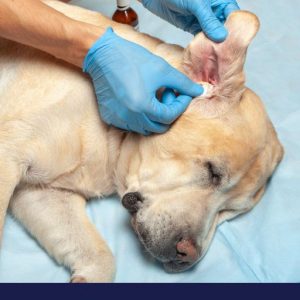
It’s a good idea to learn how to clean your dog’s ears safely. This involves knowing what to do and being confident about it. You will require a fluid e.g., a saline solution or a similar over-the-counter product. Ensuring that your pup can’t shake her way out of your grip, gently fill the ear canal with the solution and then massage the base of the ear. If there is internal buildup, it should start loosening and you may hear or feel the change in consistency. Using a piece of cotton wool, probe the ear to absorb the fluids and pick out the solids and then wipe the ear with a dog-friendly disinfectant. It’s advisable not to use a cotton bud or other rigid object because it could cause an injury if the dog reacts with a vigorous headshake.

Doing this consistently will prevent unhappy outcomes, as well as strengthen the bond between you and your beloved pet.

The advice in this post is provided for informational purposes only and is not professional medical advice. To have your pet’s condition accurately diagnosed kindly see your veterinarian.

PLAU004-petlifeau-generic-banner-ad-set-01-FA
previous arrow
next arrow

HEALTH & WELLNESS

SIGN UP and Start Receiving
Our Monthly Newsletter,
The Chronicles

Gastrointestinal Health In Dogs And Cats

Any owner who has dealt with a pet’s sudden unexplained vomiting or diarrhoea will understand that this is a stressful experience for everyone involved.

The two main causes of such symptoms, poisoning and gastrointestinal (GI) illness are frightening and upsetting. In this article, we’ll discuss GI in more detail because it is the more common.

Our pets’ body plans, especially their digestive tracts, are highly similar to ours. Without going into detail on the purpose and function of the various organs, it’s sufficient to note that all must operate in perfect unison to ensure peak health.

COMMON TYPES OF GI DISEASES

Gastrointestinal diseases that can affect the stomach, intestines, and other organs are fairly common in pets, but they can be difficult to detect early. Usually, they are only noticed once they’ve caused a variety of symptoms from loss of appetite to diarrhoea and vomiting.

The GI diseases most common among pets are pancreatitis, gastric dilatation-volvulus (GDV), and inflammatory bowel disease.

Inflammatory bowel disease: This is an inflammation of the digestive tract that can induce dramatic weight loss following uncontrollable vomiting and diarrhoea.

Pancreatitis: When the pancreas becomes inflamed this condition can cause abdominal pain, diarrhoea, and vomiting.

GDV: This causes severe pain and occurs when the stomach becomes twisted. The condition often requires urgent surgery.

REPORTING TO YOUR VETERINARIAN

As a caring pet parent, you’ll quickly notice changes in your pet’s appetite or normal gastrointestinal signs e.g., abdominal swelling or pain. In such cases, without being over-anxious, it’s wise to contact your veterinarian for an early diagnosis and initial treatment. In the event that an illness is found, this should mitigate damage to your pet’s digestive system and hasten recovery.

Once at the veterinarian, you’ll be asked about your pet’s symptoms. It’s important that you provide the required details as accurately as possible. In such situations, the owner’s description of the patient’s clinical signs can sometimes be misleading. To help the process along either the veterinarian or her technical assistant will follow a structured Q & A approach to reach the correct diagnosis.

DIAGNOSIS

The first step is usually obtaining comprehensive and accurate history to identify where in the digestive tract the disease is located since this is critical in developing the diagnostic plan.

Other questions will be more specific and relate to the signalment the owner has observed. One may be asked whether food has been jettisoned from the mouth before swallowing. This is known as dysphagia and is typical of mouth or gullet diseases. Or you may have noticed that the food has been swallowed but is regurgitated soon after without being digested.

Here are some of the other indicators you will be asked about:

  • When the food is expelled, is it sudden?
  • Are there usually heaving motions before regurgitation and gagging sounds afterwards?
  • When did these episodes start, how many have there been, and when do they happen?
  • Has the diet changed and if so, how?
  • Has another veterinarian prescribed treatment and medications for this problem before and how did the pet respond to the medicine?
  • Has there been weight loss while still eating well or weight loss associated with a poor appetite?

If the symptoms or their descriptions are not entirely clear, you may be asked to provide a video of what happens when your pet has an episode. This can be a tremendous aid in getting your cat or dog the urgent help it needs.

MAKING SURE THAT YOUR PET’S DIET IS OPTIMAL

In most cases, early diagnosis and treatment lead to happy outcomes. To promote your pet’s GI health your veterinarian could recommend a particular nutritional approach. This will always depend on factors like your dog or cat’s age, breed, size, activity profile, and whether its neutered or intact. Whatever you decide to do, ensure that you choose the eating plan that best suits your pet’s specific needs.

The advice in this post is provided for informational purposes only and is not professional medical advice. To have your pet’s condition accurately diagnosed kindly see your veterinarian.

PLAU004-petlifeau-generic-banner-ad-set-01-FA
previous arrow
next arrow